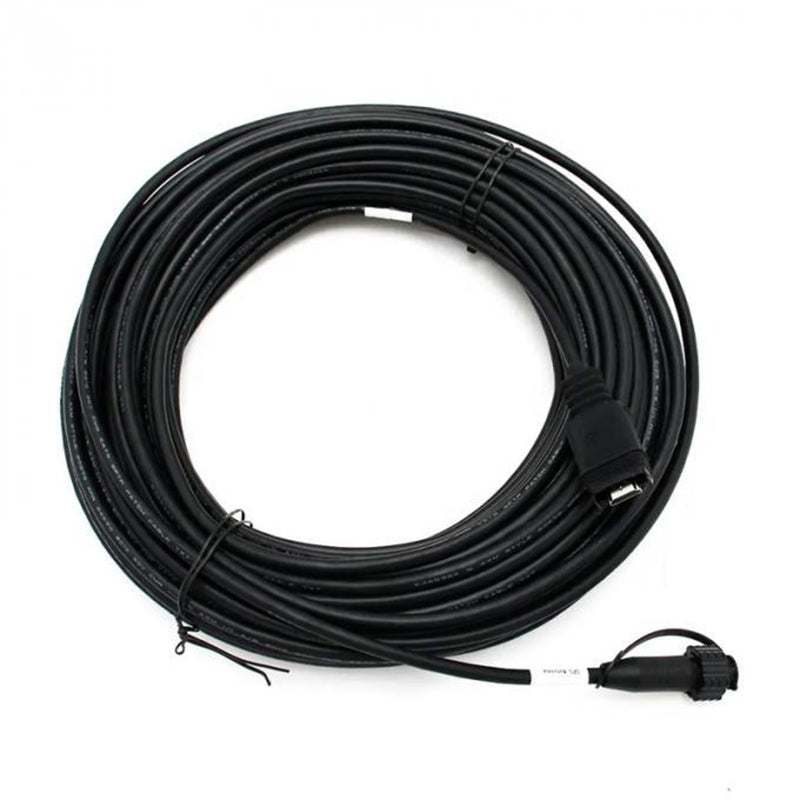
HDMI Cable Nokia 472510A FTSE GPS Cable
HDMI Cable Nokia 472510A FTSE GPS Cable
1000 in stock
Vendor: skyward-telecom
Collapsible row
Collapsible row
Our Services
- Cost-effective equipment
- Faster delivery
- Worldwide shipping
- Alternative supply
- Sample service
- Test and warranty
Nokia 472510A FTSE GPS Cable is a high-quality and reliable piece of cable. This cable is designed to connect the base station antenna to the GPS Glonass receiver, ensuring that the signals are transmitted accurately and securely.
The Nokia FYGB GPS Antenna Cable is made from durable and long-lasting materials. It is designed to withstand extreme weather conditions and can operate in temperatures ranging from -40 to 85 degrees Celsius. This means that it can be used in a wide range of environments, from remote outdoor areas to busy urban environments.
Nokia 472510A.101 FTSE GPS Cable Assembly
- 30 meters
- Used with FSMF – GPS
- 3 Copper Cable With Connectors
Basic Information
| Place of Origin: | CHINA |
|---|---|
| Brand Name: | NOKIA |
| Model Number: | 472510A |
| Compatibility | Nokia Flexi Multiradio BTS, AirScale Base Stations, FSMF-GPS systems |
| Packaging Details: | Standard Export Packing |
| Delivery Time: | 5-8 work days |
| Payment Terms: | L/C, T/T, D/P |

Nokia 472510A FTSE GPS Cable - Product Overview
This cable is a specialized GPS/GNSS synchronization antenna cable designed for Nokia's Flexi Multiradio and AirScale base station families. It connects an external GPS antenna to the FTSE (Flexi Transport Sync Extension) module or directly to a system module, providing the critical timing reference required for network synchronization.
Click on email or WhatsApp. Online customer service.
Key Functions & Specifications
Primary Function: To deliver the satellite signal from an external GPS/GNSS antenna to the base station's synchronization unit (FTSE or integrated module). This signal is used to generate a highly accurate timing clock for the entire base station.
Compatibility: Designed for use with:Nokia Flexi Multiradio BTS (e.g., connecting to the FTSE unit).
Nokia AirScale BTS (often connects directly to the System Module or RF Module with integrated GPS support).
Nokia FTSE (Flexi Transport Sync Extension) unit, which distributes timing to multiple baseband units.
Critical for Synchronization: This cable is essential for:
FDD-LTE & TDD-LTE Networks: Provides frequency synchronization (FDD) and precise phase synchronization (TDD).
5G NR: Especially critical for 5G TDD networks and any features requiring precise time alignment (e.g., coordinated multipoint).
Technical Specifications:
Impedance: 50 ohms (standard for RF applications).
Shielding: High-quality, low-loss coaxial cable with multiple layers of shielding to minimize signal loss and protect the weak GPS signal from interference.
Length: The standard length is often 5 meters, but it is highly customizable (e.g., 10m, 15m, 20m, 30m) to meet the specific installation distance between the antenna and the base station unit.
Deployment Scenarios
Macro Cell Sites: The most common use case, where a GPS antenna is mounted on a tower or mast, and the cable is routed down to the base station cabinet or shelter.
Indoor Sites: Used to connect an antenna placed outside a building (e.g., on the roof) to a base station unit located inside.
Multi-Band Sites: A single GPS antenna and cable can often provide the timing reference for multiple baseband units or collocated equipment via a distribution unit.
Troubleshooting & Notes
Signal Loss: The most common issue. Ensure all connectors are weatherproofed and tightly secured. Even a small amount of moisture ingress can severely degrade the signal.
Cable Length: Do not coil excess cable. Coiling can create an inductor that degrades the GPS signal. Instead, cut the cable to the required length or neatly loop it in a figure-eight pattern.
Custom Lengths: The "customizable" aspect is crucial. Using a cable longer than necessary increases signal attenuation, while a cable that is too short will not reach. The correct length is vital for maintaining signal integrity.
Conclusion
The Nokia 472510A is not a generic cable; it is a precision RF component. Its quality and correct installation are paramount for achieving and maintaining accurate network synchronization. Using a poor-quality or incorrectly sized cable is a common root cause of chronic synchronization problems in cellular networks. For any site requiring GPS timing, this cable is a critical link.
Our Services
- Faster delivery
- Worldwide shipping
- Alternative supply
- Sample service
- Test and warranty
- In-Stock(Most products)
- Quality Assured
- Customization
- Competitive Pricing
- Cost-effective equipment
For this model, we have new original, cost-effective compatible, and economical second-hand . We provide you with a variety of choices, the same quality! Each products has been strictly tested to ensure stable performance, worry-free use, and enjoy an efficient experience. Full range of options: new original quality assurance, compatible models are super value and practical, and second-hand are economical and durable. Strict quality control: each products is tested before shipment. Worry-free after-sales: warranty commitment, normal use, and quality problems can be returned or exchanged.
About Us
Skyward Telecom also known as Skywardtel, it was established in 2009. From the beginning to the end, we have been based on the
motto of integrity,Our mission is to help engineers and businesses overcome the challenges of acquiring high-quality, low-cost
communication products.And has provided network security and computer asset management solutions for users in more than 80
countries around the world, and has been recognized by the market.
FAQ
1. who are we?
We are based in Guangdong, China, start from 2009,sell to Northern Europe(10.00%),Western Europe(10.00%),Mid East(10.00%),Eastern Europe(10.00%),South America(10.00%),North America(10.00%),Domestic Market(5.00%),South Asia(5.00%),Southern Europe(5.00%),Oceania(5.00%),Central America(5.00%),Africa(5.00%),Eastern Asia(5.00%),Southeast Asia(5.00%). There are total about 80-100 people in our office.
2. how can we guarantee quality?
Always a pre-production sample before mass production;
Always final Inspection before shipment;
All products are sold only after passing professional technical testing;
Brand new, unopened switches, routers, servers, workstations, and other computer peripherals.
Brand new or refurbished equipment and circuit boards.BBU\RRU.
Brand new or custom-made communication cables (coaxial cables, fiber optic cables, network cables, power cords, AISG cables, etc).
Brand new or custom-made connectors.SMA connector, BNC connetor, RF connector, etc.
Brand new or custom-made cooling fans
Base station related accessories.
Weighing controller,Computer software,computer hardware,Weighing transmitter
4. why should you buy from us not from other suppliers?
Best quality! Lowest price! Quality assurance, honest transactions! Received high praise from numerous customers! Leading through
exceptional service and creative solutions to help our partners succeed!
Skyward Telecom establish our foundation on integrity, win trust with professionalism, and warm hearts with service!
5. what services can we provide?
Accepted Delivery Terms: FOB,CFR,CIF,EXW,FAS,FCA,DDP;
Accepted Payment Currency:USD,EUR,HKD,GBP,CNY;
Accepted Payment Type: T/T,L/C,D/P D/A,MoneyGram,Credit Card,PayPal,Cash;
Language Spoken:English,Chinese,Spanish,Japanese,Portuguese,German,Arabic,French,Russian,Koren,Hindi,Italian
Welcome to contact us to get super surprising price